
HOW /
Sino-Swiss Cooperation Driving Project Implementation and Goal Achievement
Outcome 1: ZEB Standards
Chinese standards on building energy efficiency and carbon emission become more ambitious.
To support improvements in China’s building energy efficiency and emissions standards, analysis and comparison of relevant standards in China and Switzerland informed recommendations for optimizing China’s national technical standard and assessment criteria for zero emissions buildings. At provincial level, the project team engaged with authorities in Shaanxi, Zhejiang, Hainan, Heilongjiang, and Shenzhen, and initiated a comparative analysis of China’s provincial standards with relevant Swiss standards. Research undertaken in support of development of Chinese standards included reviews of Chinese incentive policies for ultra-low energy and near-zero energy buildings. Studies by researchers at Chongqing University and the Zurich University of Applied Sciences (ZHAW) quantifying the potential impacts of new Chinese standards on emissions mitigation from China’s construction sector.
Outcome 2: Demonstration Projects
Substantial investments are mobilized in constructing new or retrofitting existing buildings according to zero emission standards.
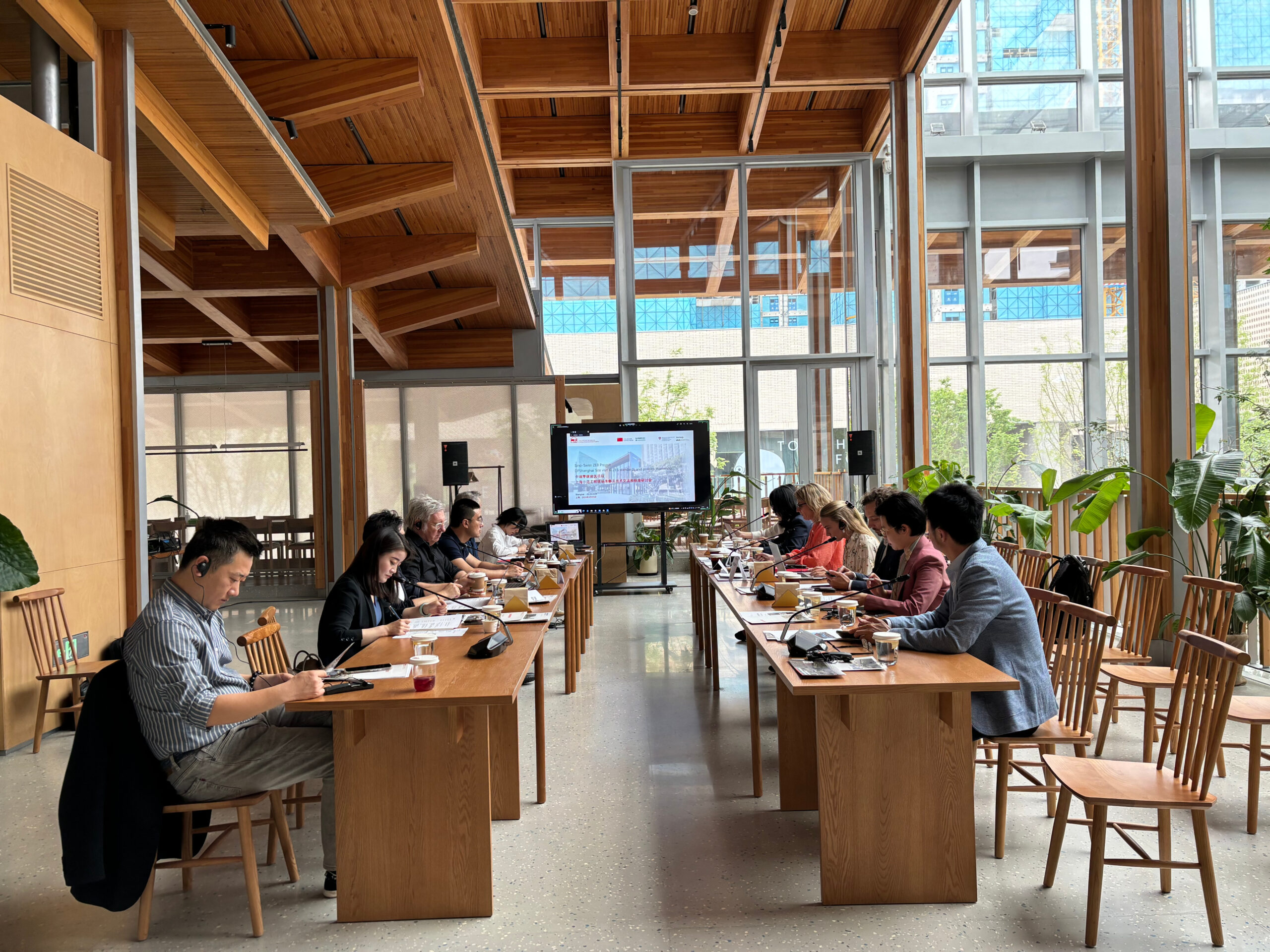
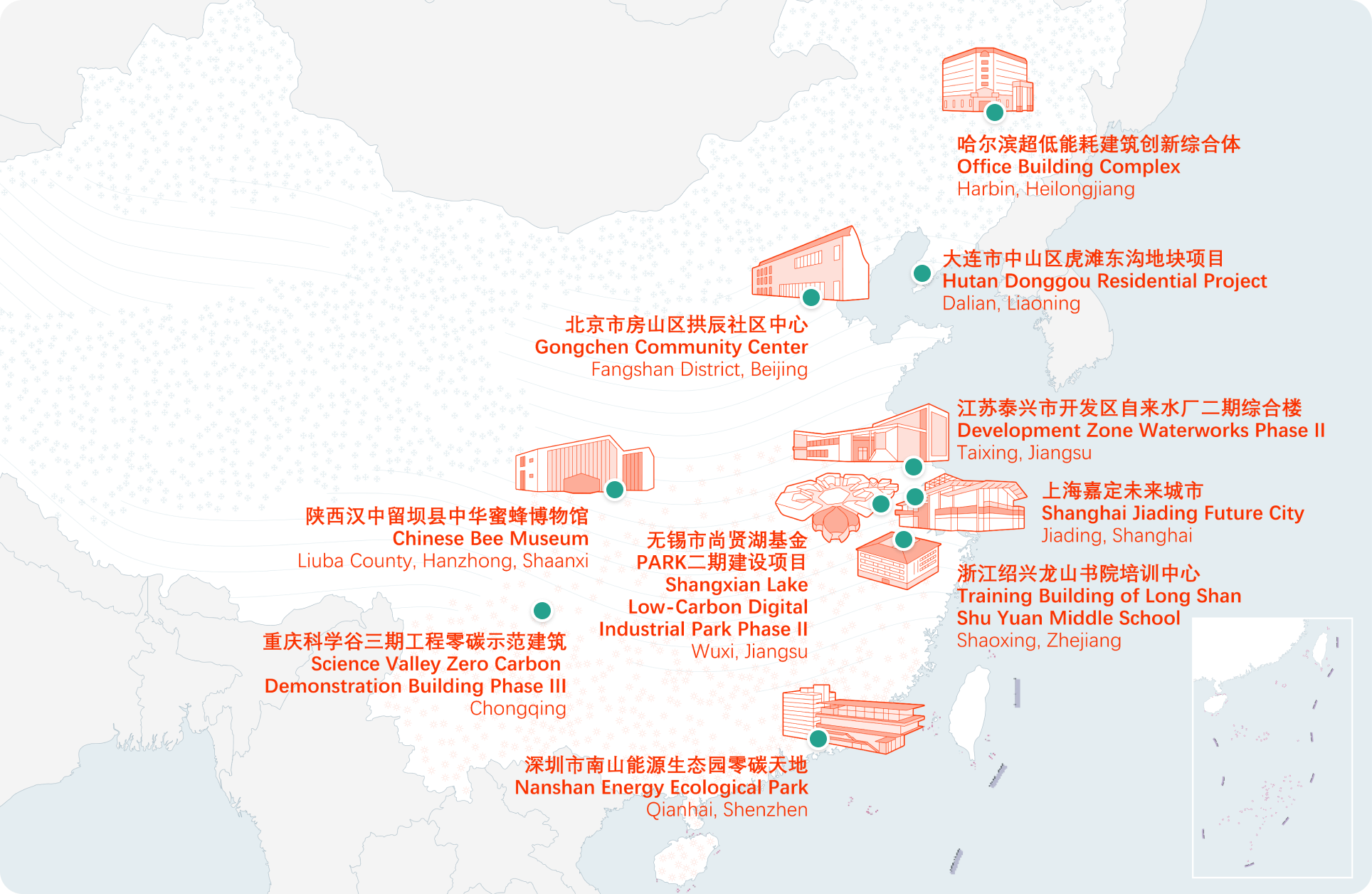
Building projects demonstrating the technical and economic feasibility of compliance with ZEB standards were supported with guidance from Swiss and Chinese experts on a wide range of topics including energy solutions, energy network systems, building materials, construction processes, and building systems. Exchanges occurred through on-site visits, seminars, workshops and studies documented in reports, videos and other media. Ten demonstration projects were supported:
Outcome 3: Capacity Building
Capacities on emission reduction in buildings are strengthened and the Sino-Swiss joint know-how is disseminated.
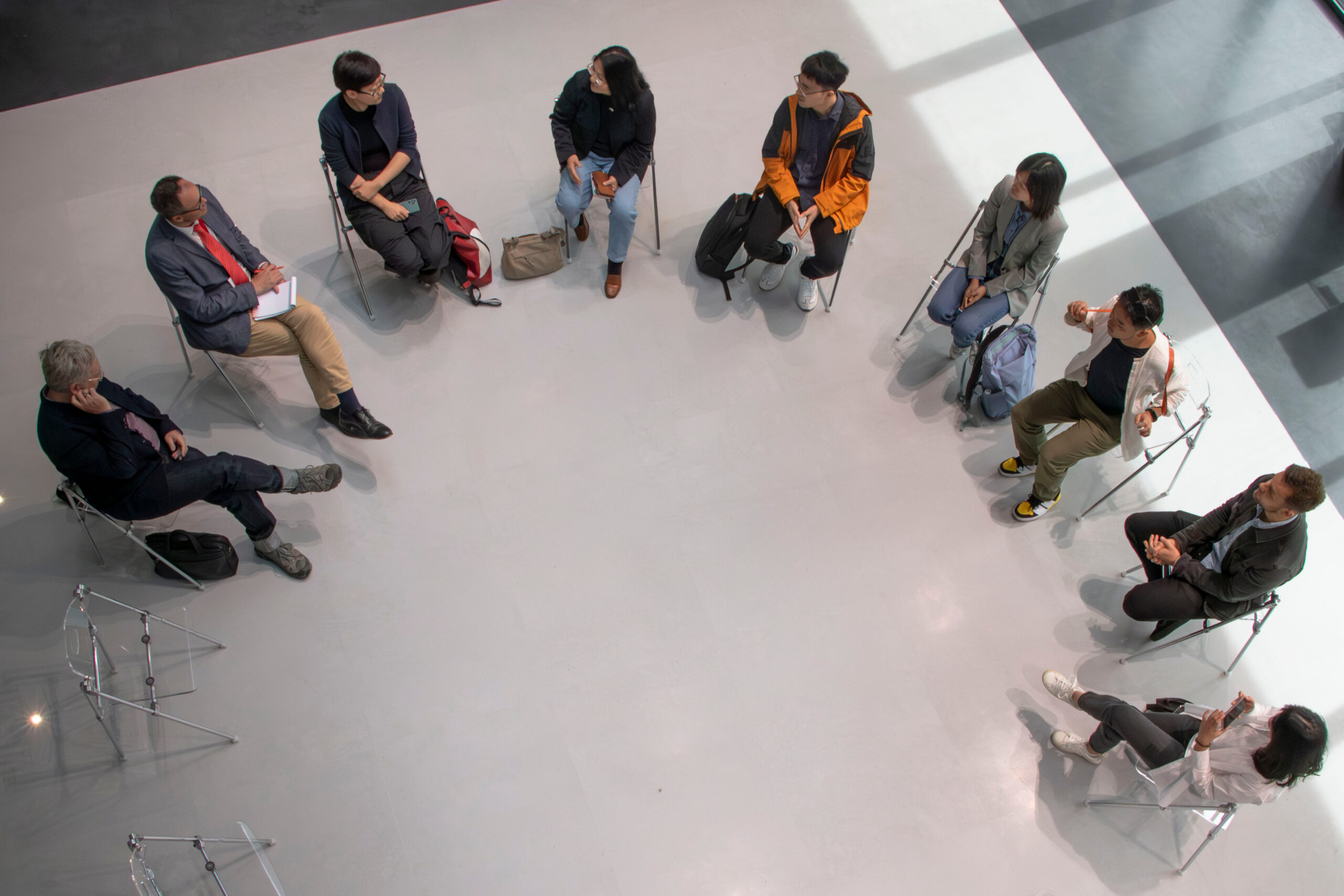
The Sino-Swiss ZEB Project actively promotes capacity building through a variety of activities. Exchanges between leaders and policy-makers engaged in emissions mitigation in the building sector were facilitated through government and expert delegations from China and Switzerland. Organised events included the Sino-Swiss ZEB Industry-Academia-Research Cooperation Forum and the China Nearly-Zero Energy Building Conference.
For local governments and professionals, training courses for the National Academy for Mayors of China engaged around 5,000 local decision-maker participants. Around 100 seminars addressing a wide range of ZEB topics engaged around 10,000 Chinese building professionals including architects, engineers and project planners. Monthly ZEB Talks encompassed 20 sessions bringing together Chinese and Swiss experts to discuss ZEB solutions in online events.
For university students and professors, lectures, seminars and workshops were presented at top Chinese universities. These events covered core issues in zero-emissions building design, including urban planning, architecture, structural design, HVAC systems, and circular building economics. Tailored training programs were developed based on the specific needs of these institutions, with modular plans including lectures, course designs, and teaching workshops, offered both online and offline for maximum flexibility and accessibility. The project brought together Swiss and Chinese experiences, providing valuable knowledge resources to faculty and students from universities including:
- Zhejiang University
- Tongji University
- Tsinghua University
- Chinese University of Hong Kong
- Chongqing University
- Shenzhen University
- Nanjing University
- Southeast University
- Xi'an University of Architecture and Technology
- Harbin University of Science and Technology
- Huaqiao University
- China Academy of Art
- Central Academy of Fine Arts
- Zhejiang University for Science and Technology