






Zero Emissions Building (ZEB) standards include performance criteria and technical requirements that define what constitutes a zero-emissions building or district. ZEB standards are one component of regulatory frameworks that can promote or mandate reductions in operational and embodied CO2 emissions.
ZEB standards and other components of regulatory frameworks are context-specific and reflect specific priorities as well as local regulatory and environmental conditions. Standards may be initially formulated at national level, then adapted to specific provincial or local priorities and conditions.
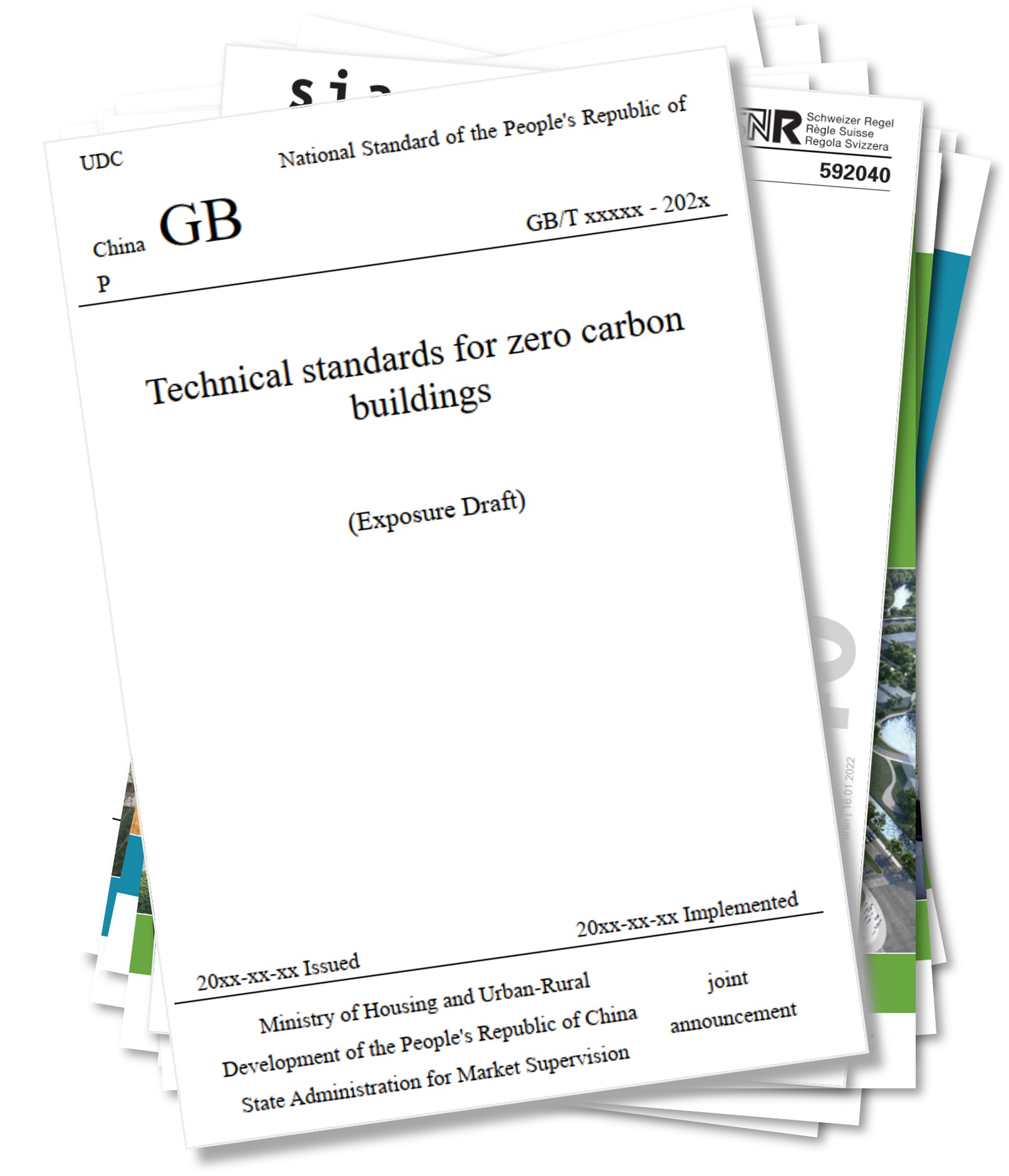
Rapid development of building energy and emissions standards in China in recent years has included the Technical Standard for Nearly Zero Energy Buildings (GB/T 51359-2019), the Standard for Energy Efficiency and Renewable Energy in Buildings (GB 55015-2021), and a new Technical Standard for Zero Carbon Buildings (2024 draft under public consultation). Rapid evolution of these standards responds to ambitious national net-zero CO2 emissions targets.
Switzerland has a long history of evolving regulation of building energy performance and CO2 emissions, including federal, cantonal and municipal regulatory instruments and a range of standards published by the Swiss Society of Engineers and Architects (SIA).
Various forms of certification are available to assess and validate compliance of a building with ZEB standards. China’s Zero Carbon Building certification is part of a broader national effort to meet carbon neutrality goals. The certification is based on the Technical Standard for Zero Carbon Buildings (2024 draft under public consultation) and covers the entire building lifecycle—from design to operation and evaluation. China’s Zero Energy Building certification is governed by the Technical Standard for Nearly Zero Energy Buildings (GB/T 51359-2019).
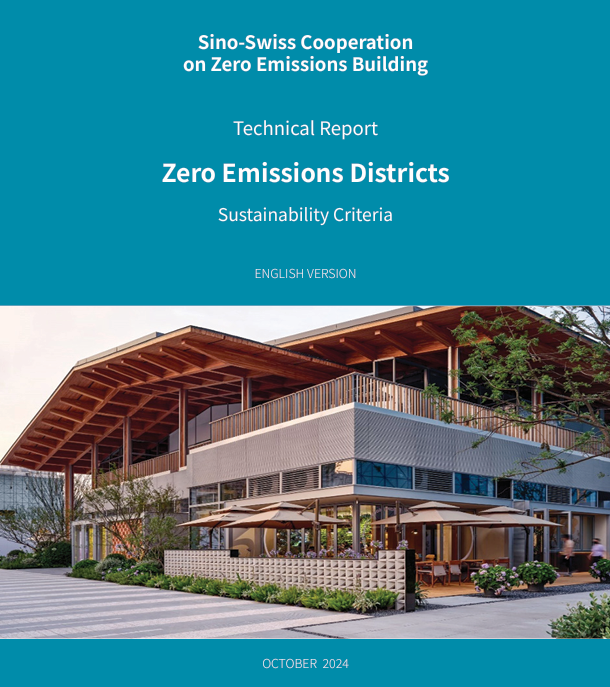
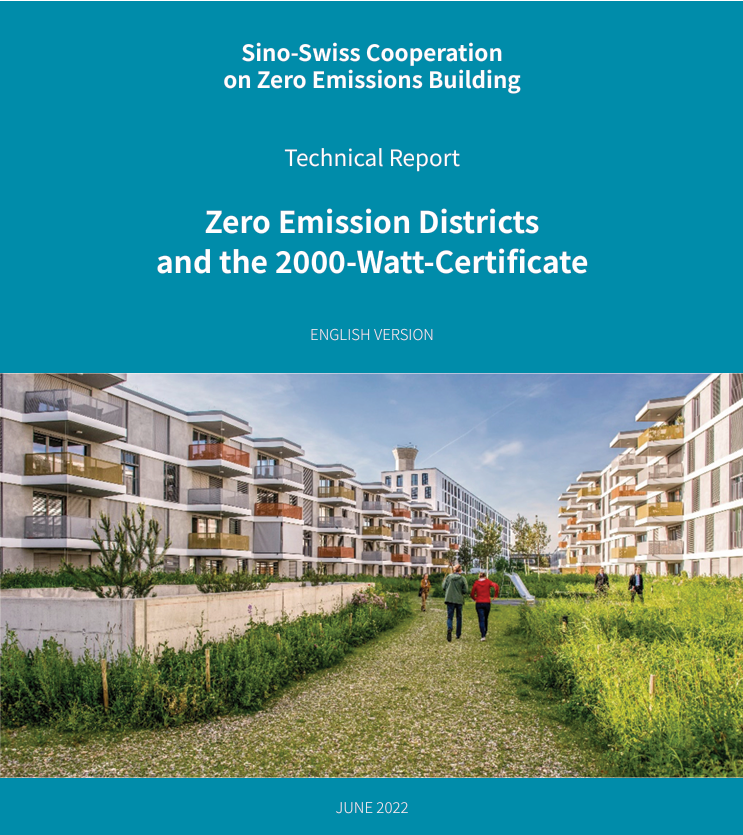
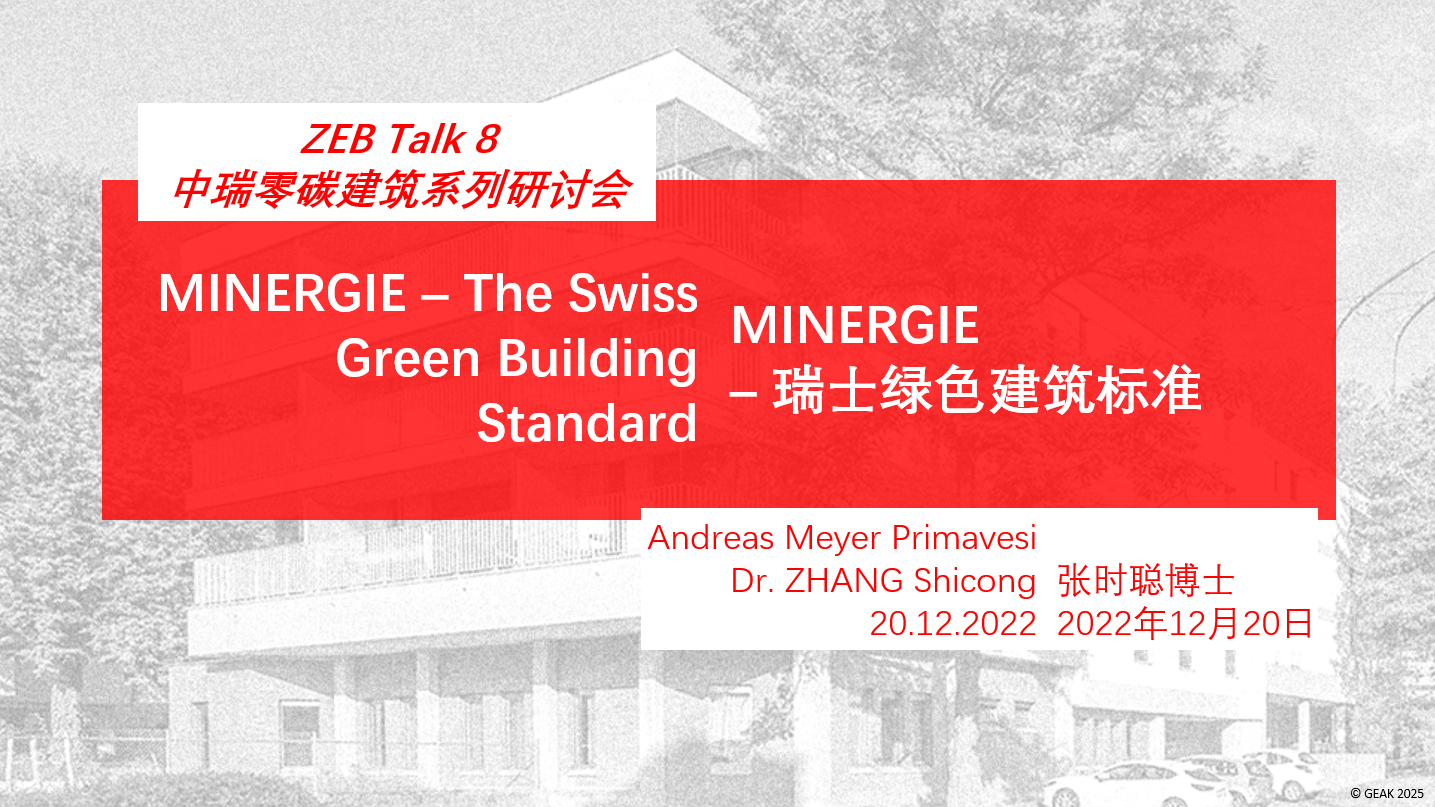
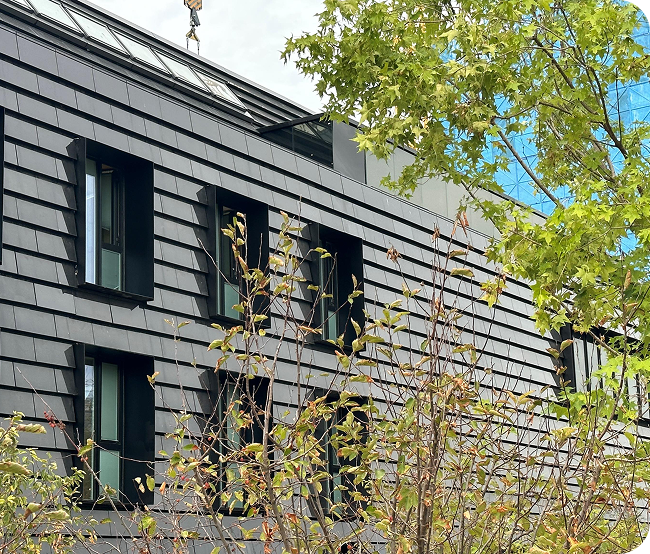
Minergie is a Swiss building certification standard focused on energy efficiency, comfort, and sustainability for both new and renovated buildings. It is one of the most widely adopted construction standards in Switzerland and has also been implemented internationally. The Shenzhen Nanshan Energy Ecological Park Zero Carbon World received Minergie-A certification – the highest level of pre-certification – highlighting the increasing alignment between Chinese and Swiss standards in ZEB certification. At urban scale, the Swiss 2000W Areal is available for certification of Zero Emissions Districts (ZED).
The certification process typically involves comprehensive assessments based on criteria such as energy efficiency, renewable energy usage, carbon emissions, and environmental impact. These certifications not only demonstrate a building’s sustainability but also enhance its marketability and attractiveness to investors, while ensuring the project contributes to broader environmental and climate goals.
Guidance for Zero Emissions Buildings (ZEB) is critical in providing a comprehensive framework for the design, construction, and operation of buildings that meet zero-emission standards. It ensures that the transition to sustainable, energy-efficient buildings is well-structured, achievable, and aligned with global sustainability goals. Guidance here focusses on two topics: Planning and Operations and Assessment, which work in tandem to support the effective implementation and long-term success of ZEB projects. Together, these phases form a continuous feedback loop that ensures ZEBs are not only designed to meet environmental targets but are also maintained and optimized for ongoing sustainability throughout their lifecycle. By providing clear and practical guidance in these areas, stakeholders are empowered to make informed decisions that lead to the successful implementation, operation, and continual optimization of ZEBs.
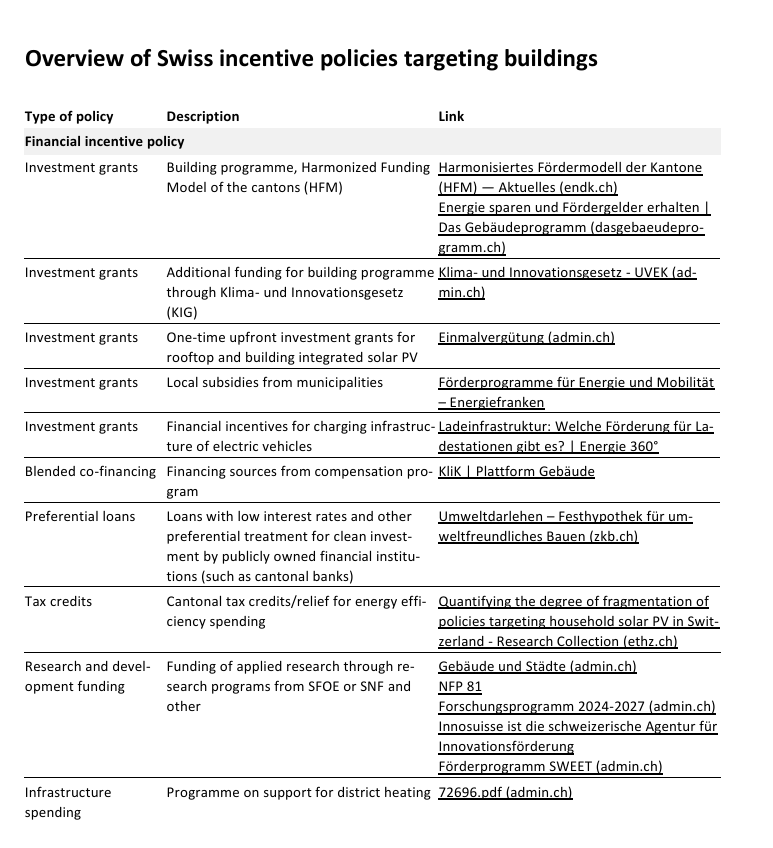
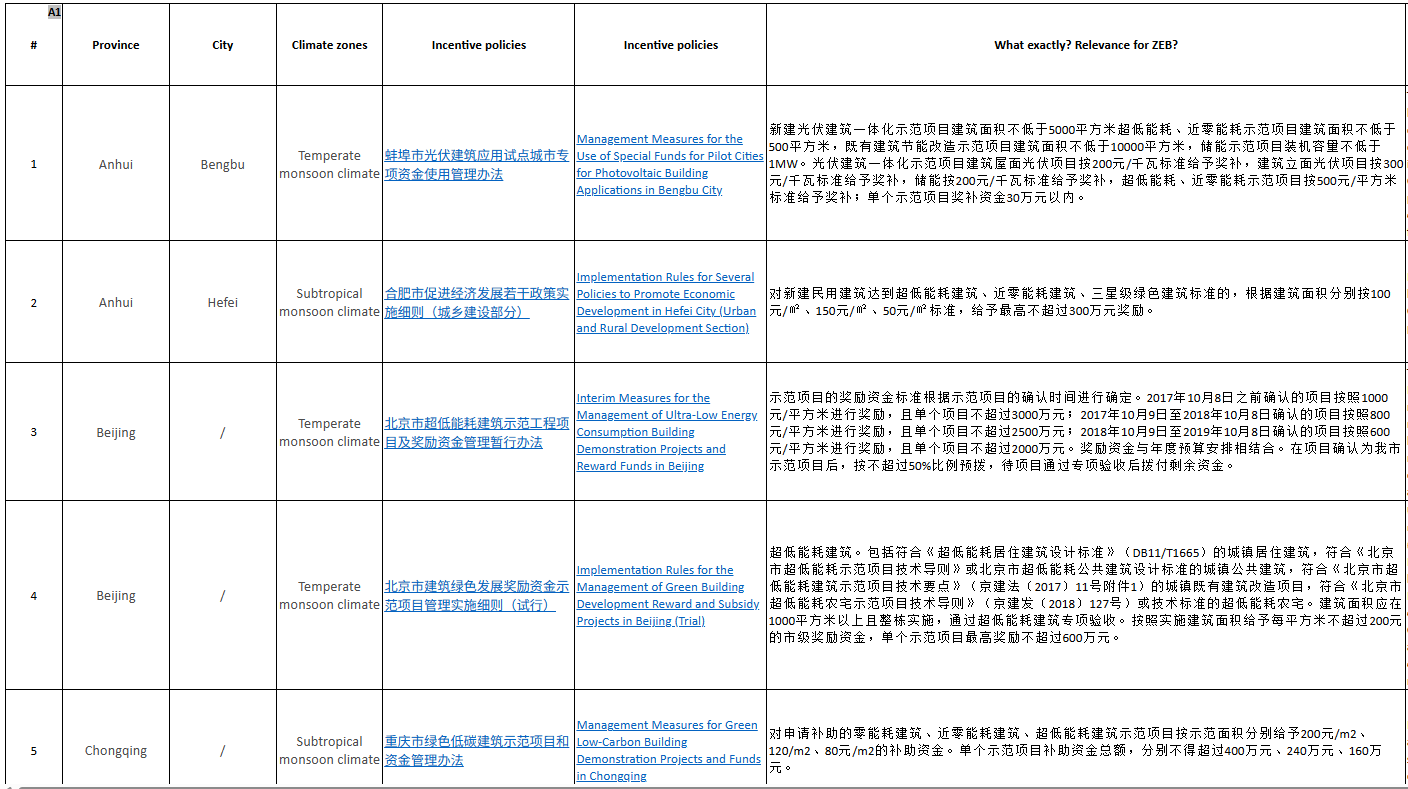
Incentives play an important role in promoting zero emissions buildings by making sustainable building practices financially attractive. Incentives can include fiscal benefits such as tax rebates, subsidies, and other financial mechanisms that reduce the upfront costs of ZEB projects, helping to accelerate their implementation.
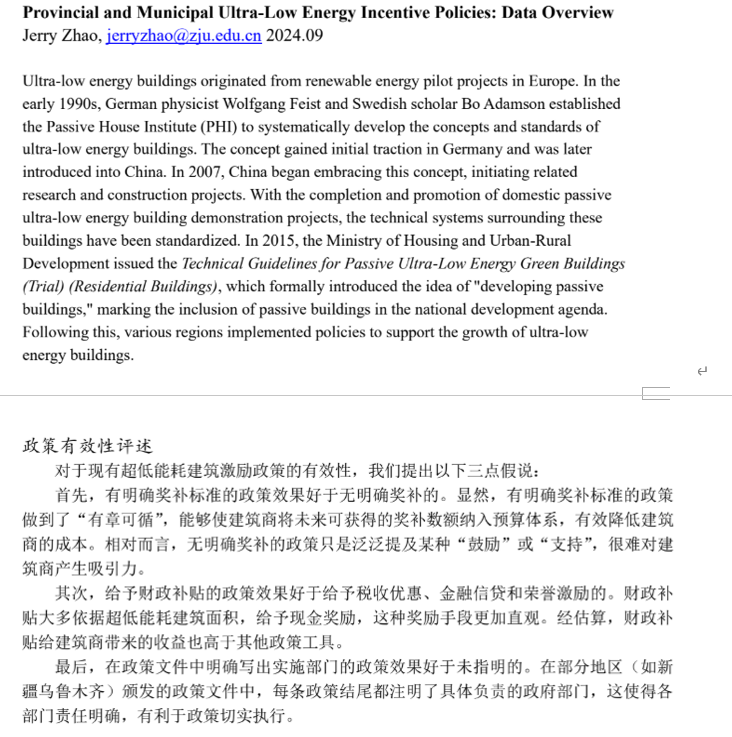
In China, a wide range of incentives schemes for low energy and zero emissions building operate at provincial and municipal levels. These include direct financial incentives such as subsidies and indirect economic benefits such as tax incentives and access to green finance.
Swiss fiscal incentives typically focus on rewarding energy-efficient design, the integration of renewable energy sources, and the reduction of carbon emissions. In China, incentives are increasingly geared toward encouraging zero-energy and low-carbon buildings. By leveraging fiscal incentives, both countries can create more favourable conditions for the growth of the ZEB market, ensuring that sustainability goals are met while promoting innovation in green building practices.
The integration of these incentives supports the broader goal of accelerating the transition to sustainable, zero-emissions buildings by making such projects more financially viable and attractive for developers and property owners.