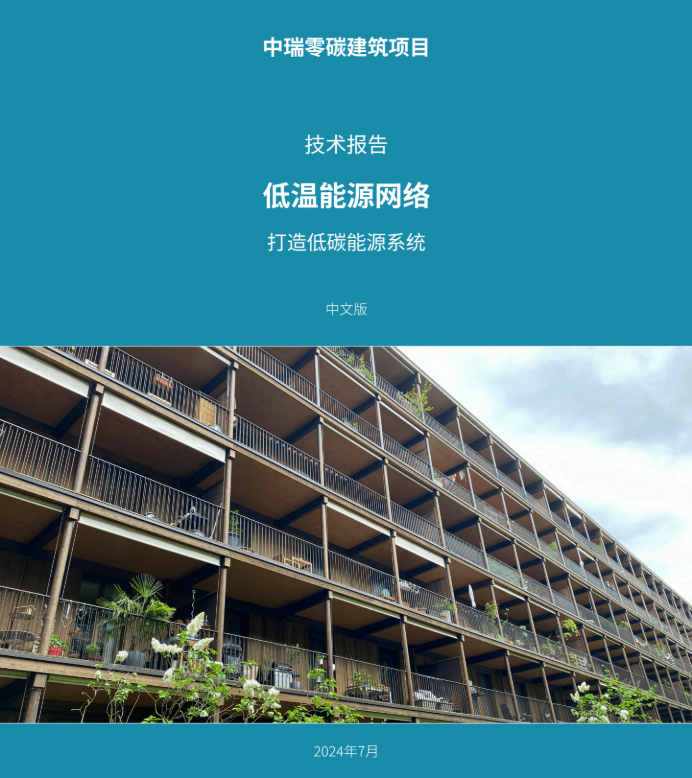

Anergy networks use low-temperature energy sources like groundwater and waste heat to provide efficient heating and cooling. They support renewable integration and energy sharing between buildings. Swiss case studies show their success in reducing emissions. With decentralized, flexible design, anergy networks are ideal for sustainable urban development and are recommended for China’s ZEB initiatives.