




Low-Carbon Materials
Low-carbon materials are those that have a minimal environmental impact during their production, transportation, and use. Examples include sustainably sourced timber, recycled steel, and low-carbon concrete. Utilizing these materials reduces the embodied emissions associated with building construction. The adoption of low-carbon materials is essential for achieving ZEB objectives, as they contribute to a building’s overall sustainability profile. Moreover, the use of such materials often aligns with circular construction practices, further enhancing environmental benefits.
ZEB Talk /
KBOB – LCA Data in the Construction Sector (CN/EN)

This ZEB Talk addresses embodied carbon, presenting Switzerland’s KBOB database and China’s challenges in developing unified life cycle assessments.
Technical Report /
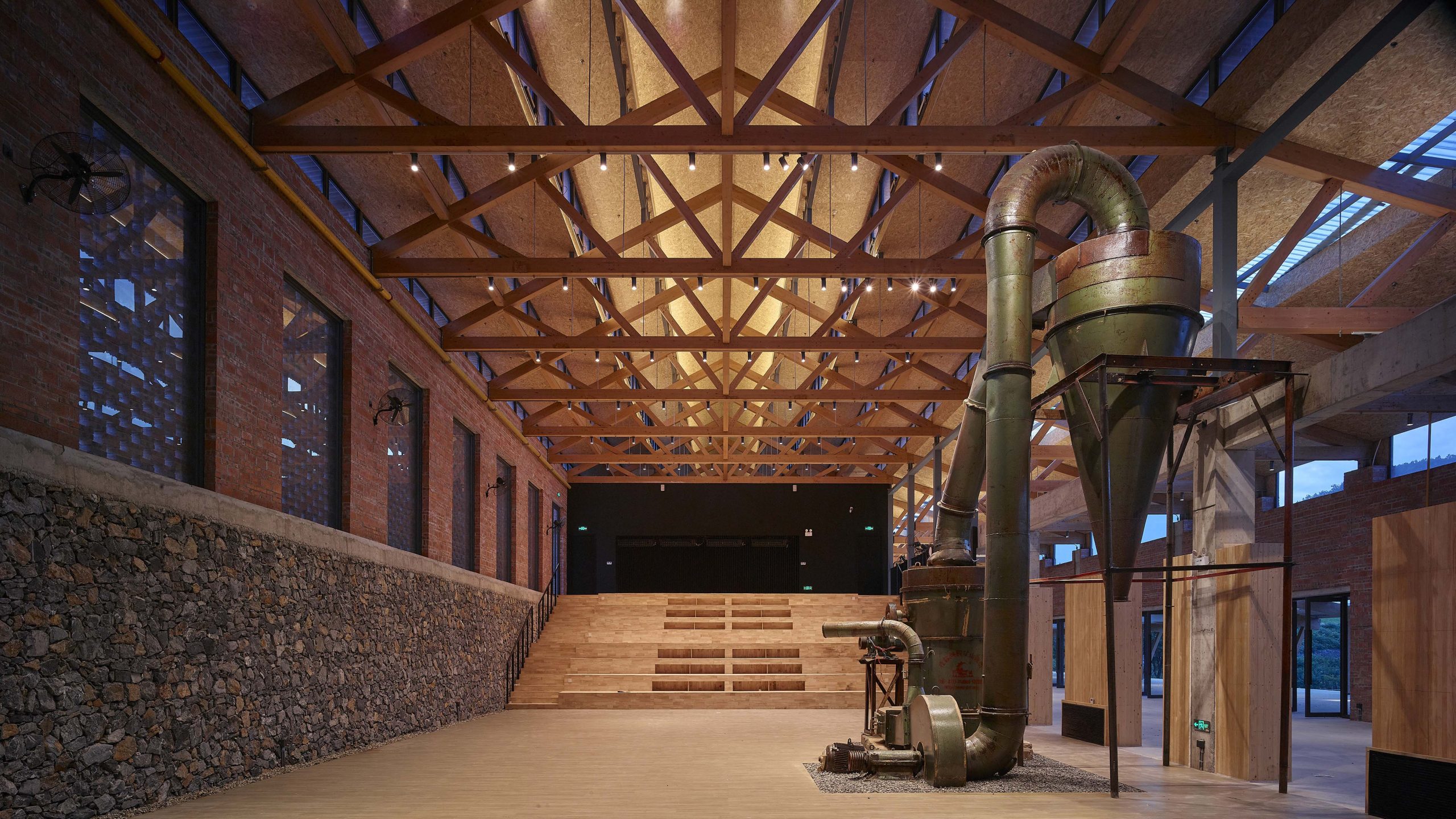
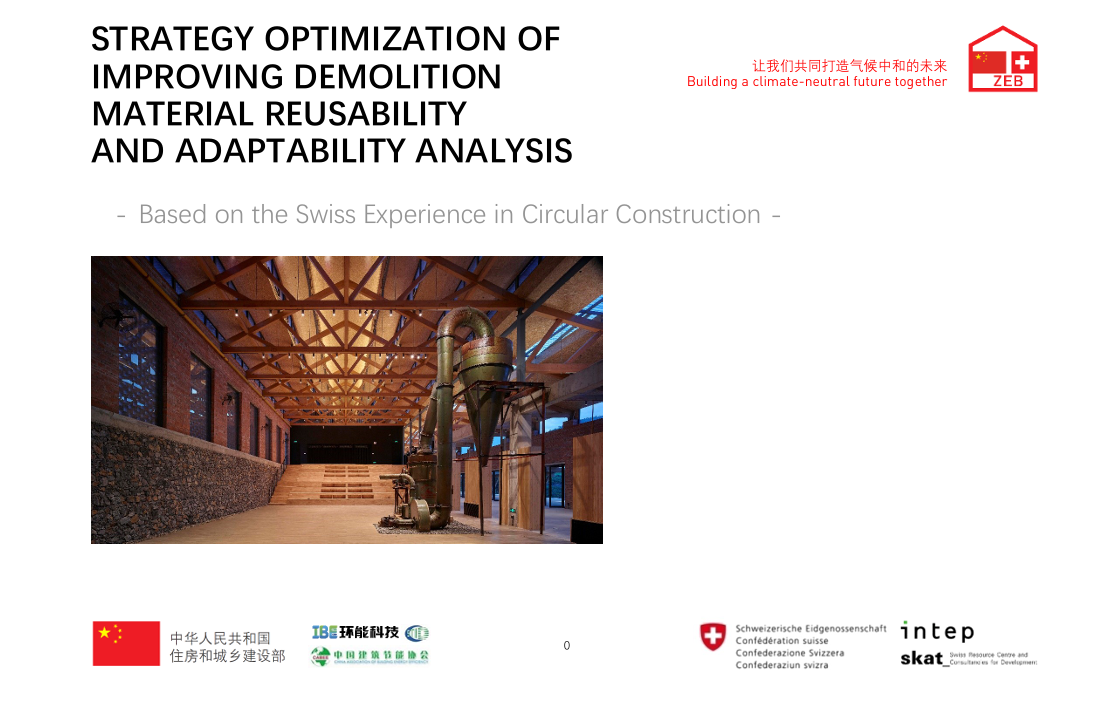
Strategy Optimization of Improving Demolition Material Reusability and Adaptability Analysis (EN)

The report explores circular construction, comparing Swiss and Chinese practices to enhance the reuse of building component in China.
University Lecture /
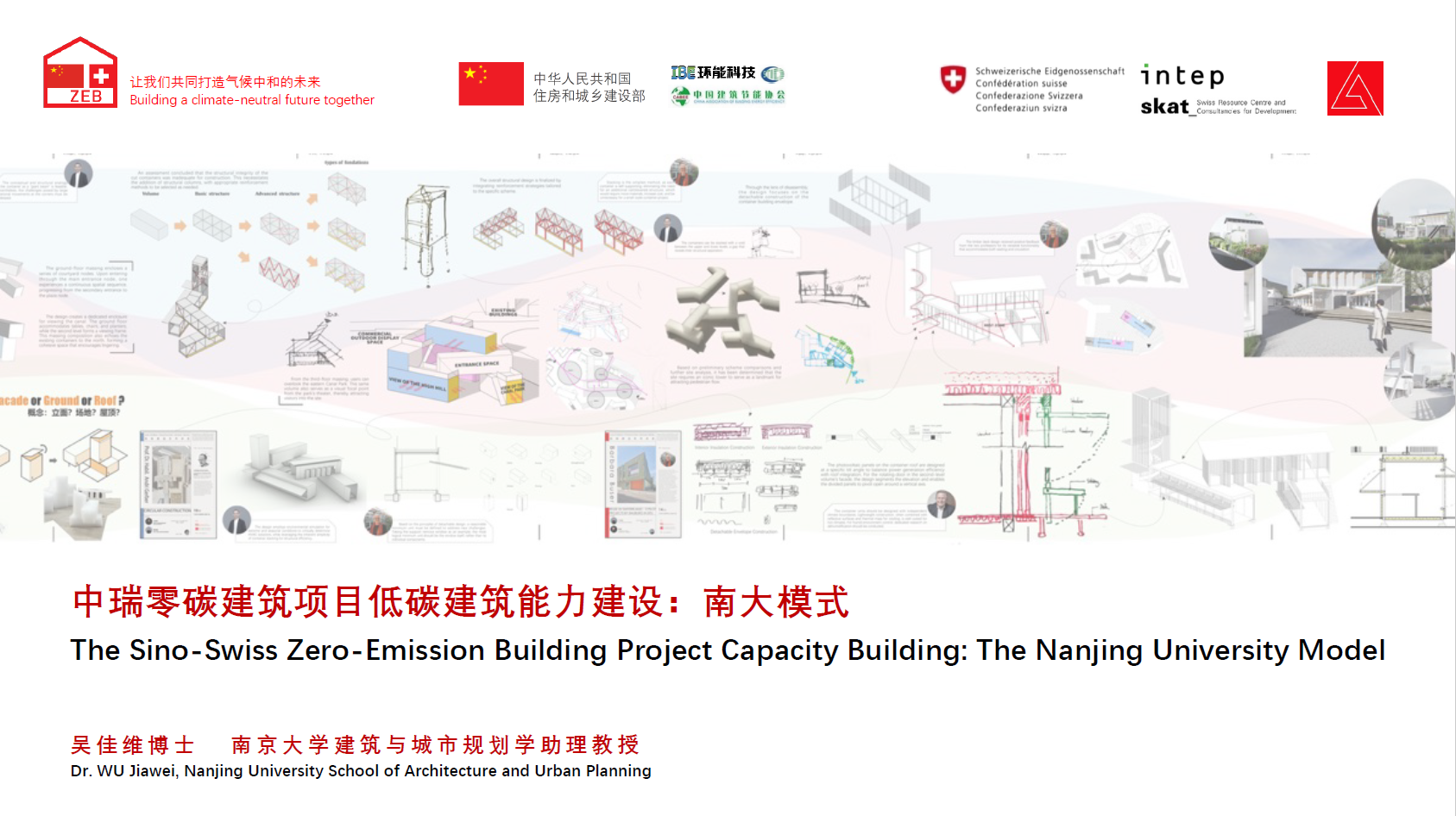
The Sino-Swiss Zero-Emission Building Project Capacity Building: The Nanjing University Model (CN/EN)

The NJU-model advances ZEB design through training, integrated building strategies, and innovative techniques for sustainable, efficient construction.
ZEB Talk /
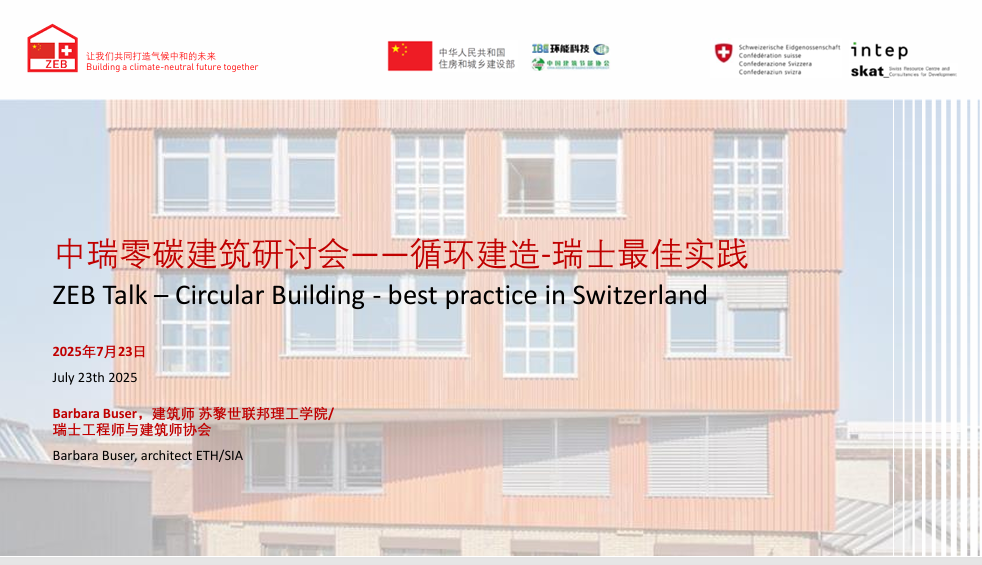
Circular Building – Best Practice in Switzerland (CN/EN)

This ZEB Talk explores circular construction, highlighting reuse, regulations, case studies, and sustainable development.
ZEB Talk /
ZEB Design with Low Carbon Building Material (CN/EN)

This ZEB Talk highlights reducing embodied carbon with life cycle assessment, circular construction, reused materials, and modular, low-carbon design.
ZEB Talk /
LC3: Reducing CO2 Emissions of Cementitious Materials (CN/EN)

This ZEB Talk explores cement sector decarbonization, highlighting low-carbon technologies in China and LC3 as Switzerland’s sustainable alternative.
University Lecture /
Low emission design and lightweight construction (CN/EN)

This lecture presents Switzerland’s circular construction practices, highlighting reuse, disassembly, modularity, CO₂ savings, and the Chinese applications.